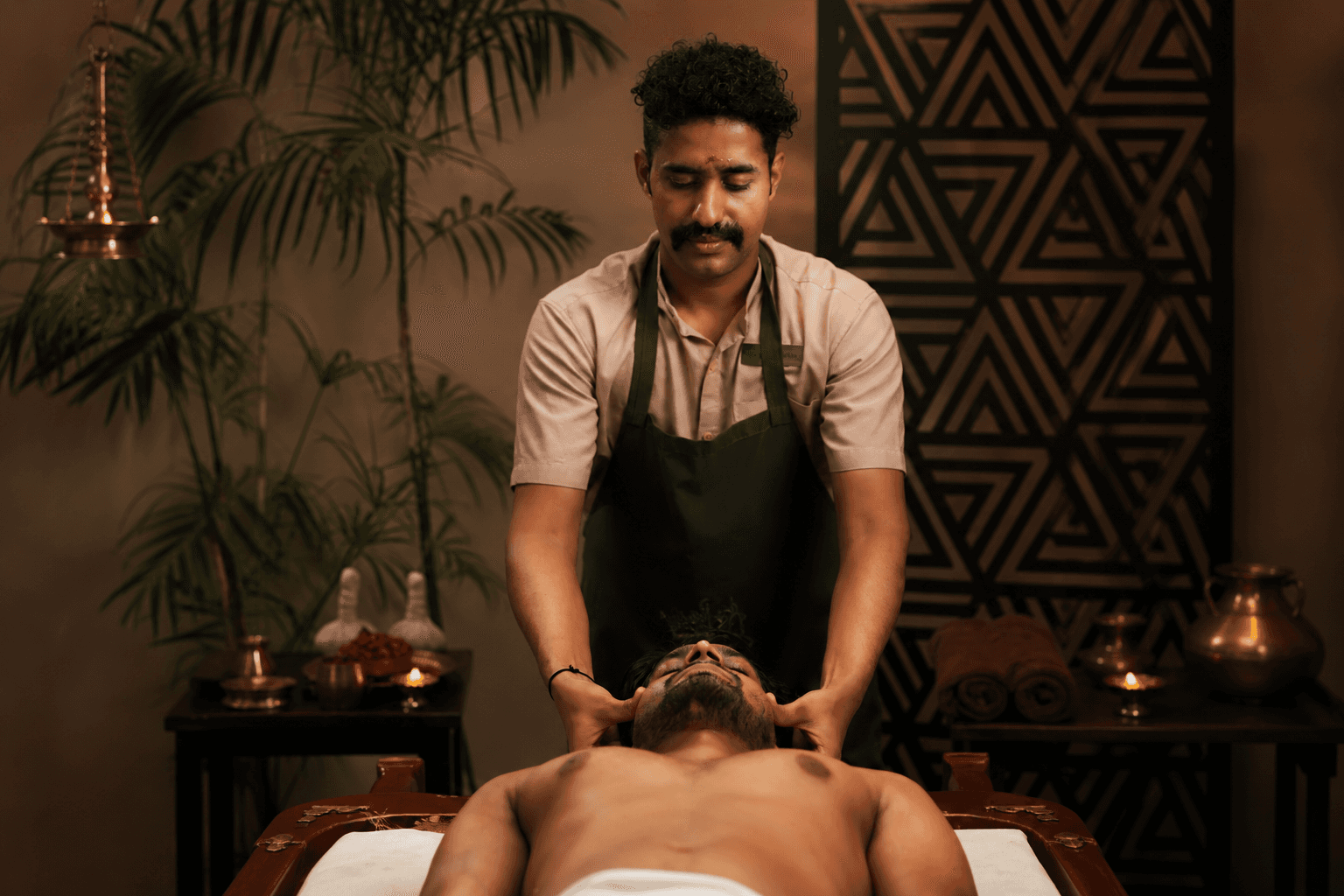
Panchakarma Detox: What Actually Happens to Your Body
Geschrieben von
Auf Wiedersehen Team
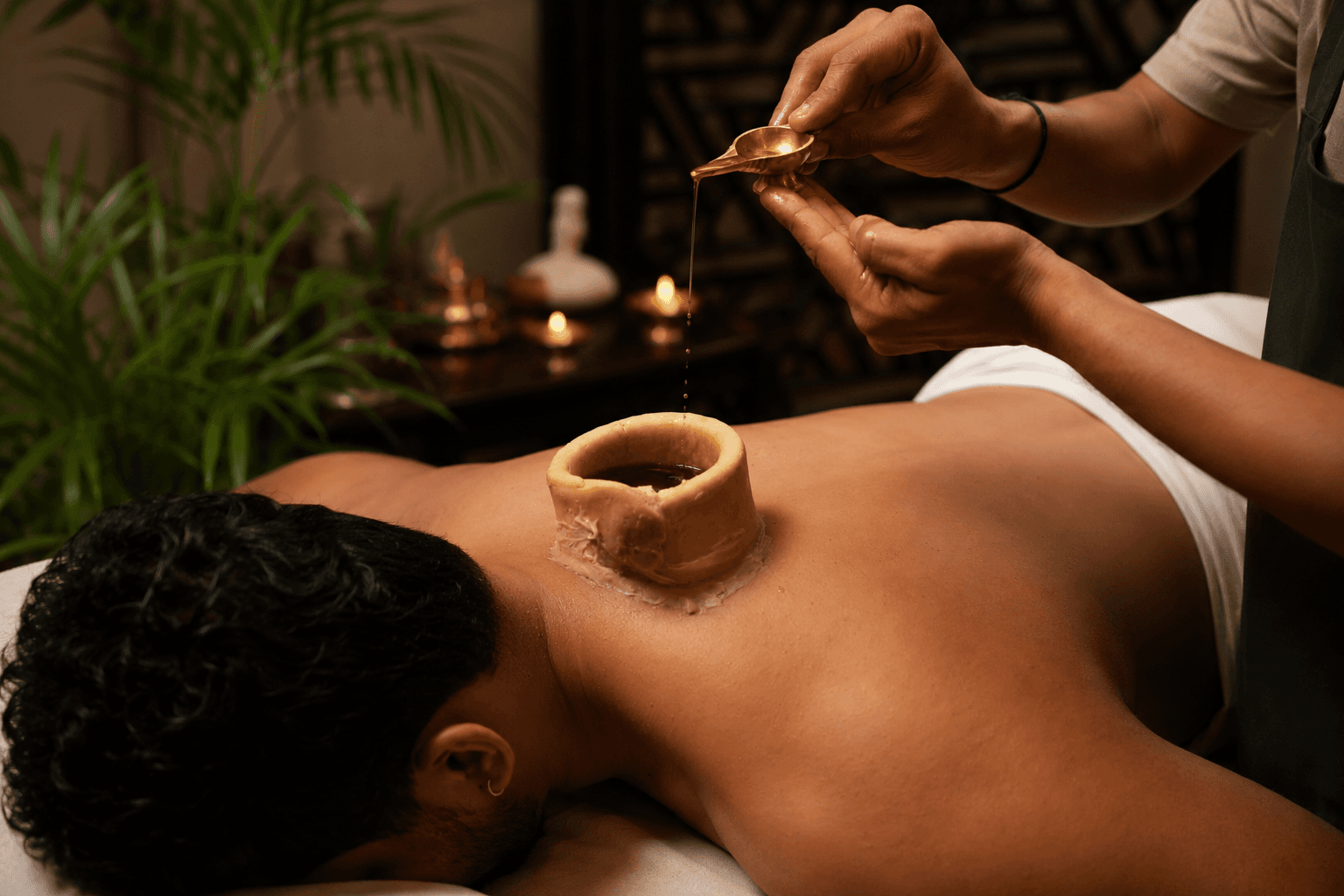
Most people have heard the word Panchakarma at some point. Maybe a friend mentioned it after coming back from Kerala looking noticeably different. Maybe you came across it while researching Ayurveda online. Either way, there is usually a gap between the word and the actual understanding of what it involves. This blog is written to close that gap in plain, honest language so you can decide whether it is right for you and what to expect if you go ahead with it.
Panchakarma is not a spa treatment. It is not a juice cleanse with some massage added. It is a complete detoxification and rejuvenation process rooted in Ayurvedic medicine that has been practiced in Kerala and across India for thousands of years. The name itself tells you what it is. Pancha means five. Karma means actions or procedures. Together they describe a five stage therapeutic process designed to remove toxins from the body at a deep level, reset the digestive system, balance the nervous system, and restore the body to a state it can actually function well from.
Done properly, under qualified guidance, with the right preparation and aftercare, Panchakarma produces results that most people find genuinely surprising. Not because it is dramatic or intense in the way a punishing fitness programme is, but because the changes happen quietly and cumulatively and you often only fully notice them once you are back in your regular life.
Why the Body Needs This Kind of Reset
Before getting into the five stages, it helps to understand why Ayurveda developed this process in the first place. The core idea is that over time, the body accumulates what Ayurveda calls ama. This is essentially unprocessed waste, the residue of incomplete digestion, environmental toxins, stress, poor sleep, and lifestyle choices that the body has not had the capacity to fully clear. Ama is not a dramatic concept. It is simply what happens when the body is taking in more than it can process and eliminate.
When ama builds up it affects digestion first, then energy, then immunity, then mental clarity, then sleep. Most people living modern lives are carrying some degree of this accumulation without realising it. The symptoms are so normalised, low energy, sluggish digestion, foggy thinking, disrupted sleep, skin issues, that people assume they are just facts of life rather than signs that the body needs support.
Panchakarma works by systematically preparing the body to release this accumulation, drawing it out of the tissues, moving it toward the digestive tract, and then eliminating it through carefully managed procedures. What follows is a body that is genuinely lighter, more responsive, and better able to absorb nutrients and process daily experience.
The Five Stages of Panchakarma Explained Simply
Stage One: Vamana
Vamana is therapeutic emesis, which means medically supervised vomiting. This sounds uncomfortable and many people are initially hesitant about it. But it is performed under careful guidance and is specifically indicated for people with excess Kapha in the body, which shows up as congestion, respiratory issues, sluggish metabolism, and heaviness. It is not used for everyone. The decision is made by the practitioner based on your initial assessment. When it is the right treatment for the right person, the relief it produces is immediate and significant.
Stage Two: Virechana
Virechana is therapeutic purgation. Medicated oils and herbal preparations are used to stimulate a controlled cleansing of the small intestine and colon. This is one of the most commonly used Panchakarma procedures because excess Pitta, which manifests as inflammation, skin conditions, acid reflux, irritability, and heat-related issues, is extremely common in modern life. Virechana draws Pitta out of the tissues and moves it through the digestive tract for elimination. People often describe feeling significantly clearer in the days following this procedure.
Stage Three: Basti
Basti is medicated enema therapy and it is considered the most important of the five procedures in classical Ayurveda. The colon is seen as the seat of Vata, the energy that governs movement, the nervous system, and elimination. When Vata is disturbed, which stress, irregular eating, travel, and disrupted sleep all cause, it affects the entire body. Basti delivers medicated oils and herbal decoctions directly into the colon, nourishing the tissue, calming the nervous system, and addressing Vata imbalance at its source. It is deeply effective for lower back issues, joint pain, anxiety, insomnia, and chronic constipation.
Stage Four: Nasya
Nasya involves the administration of medicated oils or herbal preparations through the nasal passages. The nose is considered the gateway to the brain and the consciousness in Ayurvedic understanding. Nasya is used to clear congestion in the head, sinuses, and throat, and is also used to address headaches, migraines, stress, and certain neurological conditions. The procedure is gentle and the effects are often felt almost immediately in terms of mental clarity and lightness in the head.
Stage Five: Raktamokshana
Raktamokshana is bloodletting therapy and is the least commonly used of the five procedures in contemporary practice. It is specifically indicated for conditions related to impure blood, such as certain skin disorders, inflammatory conditions, and chronic infections. In most modern Panchakarma programmes it is either adapted using herbal blood-purifying treatments or omitted based on the individual's needs. A qualified practitioner will advise whether it is relevant for you.
What Happens Before the Main Procedures
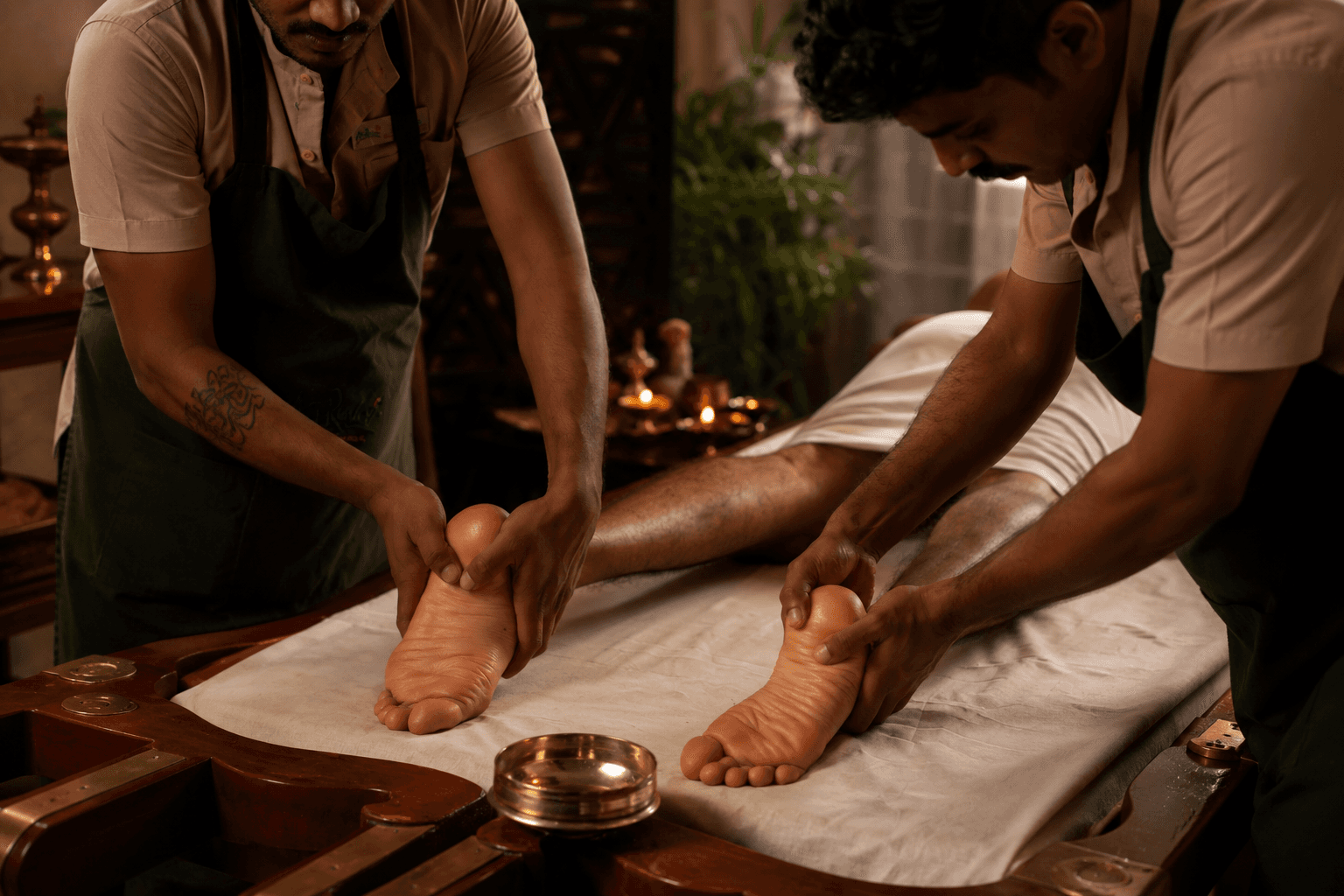
One thing many people do not realize about Panchakarma is that the main procedures are preceded by a preparation phase called Purvakarma. This typically involves Snehana, which is internal and external olation using medicated ghee and oil massage, and Swedenam, which is herbal steam therapy. These two steps serve to loosen the toxins that have settled into the deep tissues and move them back toward the digestive tract so that the main procedures can actually reach and remove them. Without this preparation the main treatments are significantly less effective. Any credible Panchakarma programme includes this phase.
What to Expect During Your Stay
A proper Panchakarma programme runs for a minimum of seven days and ideally fourteen to twenty one days for a complete process. During this time your daily routine is structured around treatments, rest, and therapeutic meals. You will likely sleep more than you normally do. Your energy may dip in the middle of the programme before it rises again. Emotional releases are not uncommon because the body stores stress and unprocessed experience in the tissues and as those tissues release, so do the associated feelings.
The food served during Panchakarma is simple, warm, and easy to digest. Kitchari, a preparation of rice and lentils cooked with ghee and spices, is often the primary meal because it supports digestion without taxing it. The goal is to give the digestive system a rest while the deeper cleansing work happens.
Most people find that by the end of the programme their digestion has improved noticeably, their sleep is deeper, their skin looks clearer, and their mental state is significantly calmer. These are not placebo effects. They are the result of a body that has had a real opportunity to clear what was blocking its normal functioning.
How Au Revoir Approaches Panchakarma
At Au Revoir the Panchakarma process is taken seriously in the way it deserves to be. It begins with a thorough consultation with a qualified Ayurvedic doctor who assesses your constitution, your current health picture, and what your body specifically needs from the programme. Nothing is standardised. The procedures selected, the medicated oils used, the food prepared, and the daily schedule are all built around you as an individual.
The therapists at Au Revoir are formally trained and experienced. They understand that Panchakarma is not simply a sequence of treatments to be delivered efficiently but a process that requires attention, observation, and adjustment as it progresses. The environment is designed to support deep rest. The pace is unhurried. And the entire team understands that what guests are doing here is real therapeutic work, not leisure with a wellness label.
For people who have been carrying fatigue, digestive issues, stress, or a general sense of being run down for a long time, a Panchakarma programme at Au Revoir offers something that very few experiences can: a genuine reset that works at a level most modern healthcare does not reach.
Is Panchakarma Right for You
Panchakarma is suitable for most healthy adults who want to address accumulated stress and toxicity, improve their digestion and energy, or simply experience what a properly functioning body feels like. It is particularly valuable for people with chronic lifestyle-related conditions, those recovering from periods of high stress, and anyone who has been feeling stuck in their health for a while without clear answers.
It requires commitment. You need to be willing to rest, follow the programme, eat simply, and give your body the space it needs to do the work. In return the results tend to be among the most lasting and meaningful of any health investment people make.
If you are considering it, the most important thing is to do it properly. At a qualified facility, with real practitioners, in an environment that supports the process. That is what Au Revoir is built to provide.
