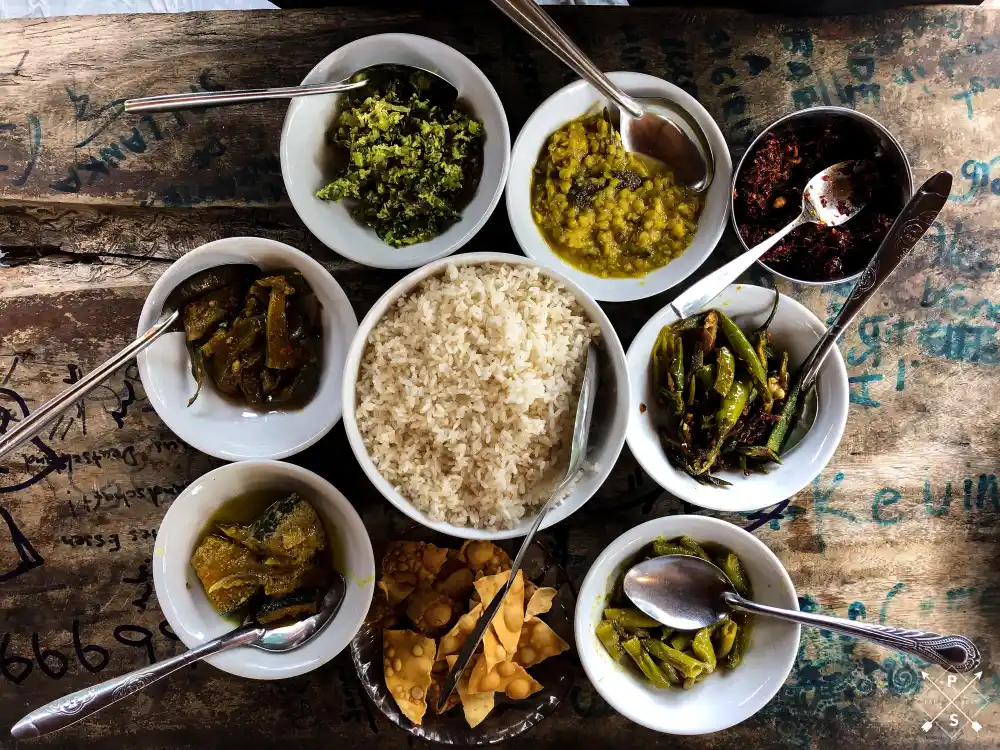

Introduction – Eating in Rhythm with Nature
Ayurveda sees time as a rhythm, not a number. The changing seasons aren’t just about weather - they’re about shifts in our body’s internal balance. The same meal that nourishes you in winter might burden your body in summer.
That’s why Ayurveda recommends a Ritucharya - a seasonal food and lifestyle routine that maintains equilibrium across the year. In Kerala, where monsoon rains, humid summers, and cool winters shape life, this practice is deeply woven into the food culture.
Resorts like Au Revoir follow this wisdom through seasonal Ayurvedic meal plans, designed to strengthen immunity, enhance digestion, and align the body with nature’s rhythm.
Summer (Grishma) – Cooling and Hydrating
Dominant Dosha: Pitta (Fire + Water)
Season Traits: Heat, exhaustion, dehydration
Ayurvedic Summer Diet Tips:
Choose cooling, hydrating, and mildly sweet foods.
Avoid fried, spicy, and sour dishes.
Include juicy fruits like watermelon, pomegranate, and mango.
Kerala-Specific Examples:
Tender coconut water for cooling
Buttermilk with cumin (morupachoru) to soothe digestion
Cucumber and ash gourd curries for internal hydration
Ideal Herbs: Coriander, mint, fennel
Avoid: Chilies, garlic, mustard seeds
At Au Revoir, guests are served light, cooling menus during summer - featuring coconut-based curries, herbal teas, and fresh salads infused with mint and coriander to balance internal heat.
Monsoon (Varsha) – Detox and Rejuvenation
Dominant Dosha: Vata (Air + Ether)
Season Traits: Dampness, weakened digestion, toxin buildup
Monsoon is considered both challenging and healing. Ayurveda recommends using this time for detox and rejuvenation therapies.
Ayurvedic Monsoon Diet Tips:
Focus on warm, light, easily digestible meals.
Avoid raw salads, heavy dairy, and cold drinks.
Include herbal soups, rice gruel, and light stews.
Kerala Tradition:
The famous Karkidaka Kanji - a medicinal rice porridge made with 18 herbs - is consumed during the rainy season to cleanse and strengthen the body.
Ideal Herbs & Spices: Ginger, pepper, cumin, tulsi
Drinks: Herbal decoctions (Kashayam) and jeeraka water
Au Revoir’s Ayurvedic kitchen offers monsoon detox programs using such preparations - pairing therapeutic meals with traditional Abhyanga (oil therapy) for total rejuvenation.
Winter (Hemanta) – Nourish and Strengthen
Dominant Dosha: Kapha (Earth + Water)
Season Traits: Cold, heaviness, lethargy
Winter is when the body naturally demands nourishment. Agni is strong, so digestion is powerful. This is the time for building strength and immunity.
Ayurvedic Winter Diet Tips:
Prefer warm, oily, slightly spicy foods.
Include ghee, nuts, whole grains, and lentils.
Avoid cold, dry foods and skipping meals.
Kerala-Specific Examples:
Uluva Kanji (Fenugreek porridge) for energy
Rasam and pepper-rich soups to clear Kapha
Ghee-based curries and herbal teas to stay warm
Ideal Herbs: Dry ginger, cinnamon, black pepper
Avoid: Ice-cold drinks, excessive sweets
At Au Revoir, winter menus are curated with warming meals - incorporating turmeric, pepper, and cumin to maintain inner vitality and immunity.
Transitional Periods – Spring & Autumn
Between seasons, the body undergoes subtle changes. Ayurveda calls these sandhikaala ideal for mild cleansing and dietary resets.
Spring (Vasanta):
Detox Kapha with light soups, greens, and barley water.
Include bitter and pungent tastes - turmeric, fenugreek, mustard.
Autumn (Sharad):
Cool down Pitta with coconut, rice, and sweet fruits.
Avoid overuse of spices or fermented foods.
These transitions are perfect for short detox programs at wellness retreats where Ayurveda combines gentle meals with yoga and herbal therapies.
Why Seasonal Eating Matters Today
In modern life, we eat the same foods all year - strawberries in December, soups in April - ignoring nature’s rhythm. Ayurveda reminds us that such disconnection weakens our immunity and energy.
Seasonal eating rebuilds that bond - helping the body adapt, cleanse, and thrive.
Kerala’s traditional kitchens never needed nutrition charts; they simply followed the monsoon’s whisper or the summer’s heat to decide what to cook.
Conclusion – Living the Ayurvedic Calendar
Eating seasonally is more than a diet plan - it’s a philosophy of harmony.
At Au Revoir Wellness Resort, this philosophy is brought alive every day through thoughtfully curated Ayurvedic menus designed by expert physicians and chefs who understand how food and nature co-create wellness.
Each plate becomes a celebration of life’s rhythm - cooling, cleansing, or energizing, just as nature intended.
How to Book Your Wellness Journey
Booking is simple! You can call or email us any time.
Quick Book Form
📞 +91 97784 12247
📧 reservations@aurevoir.co.in
🌐 www.aurevoir.co.in
